Private liability insurance
Privathaftpflicht

On this page
Private liability insurance (Privathaftpflicht) can cover claims if you injure someone or damage their property. It is voluntary and does not start automatically when you register your address. You can still be liable for damage under the Civil Code even if you have no policy.
In short
- Section 823 can oblige you to pay for harm you cause even if you have no Privathaftpflicht. The policy is one way to fund that claim if the contract covers it.
- Private liability insurance is voluntary, unlike motor liability insurance. Check the insured sum and the conditions of any policy you are considering.
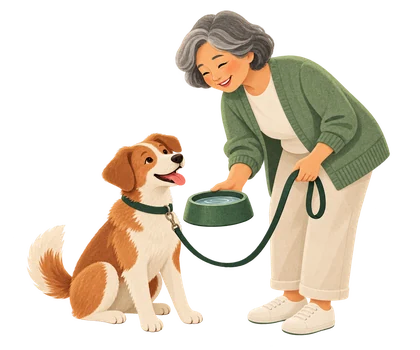
- The care exception in section 833 is written for a domestic animal kept for profession, gainful work, or subsistence. A pet kept for none of those is outside it. Check whether your policy covers the particular animal.
- A landlord’s request for liability insurance is a lease term, not the rule in section 823.
- This is different from contents insurance, which covers goods in your home rather than harm you cause to someone else.
What you need to know
Section 823 of the Civil Code says that a person who intentionally or negligently and unlawfully harms another person’s life, body, health, freedom, property or another right must compensate the resulting damage. The same duty applies to a person who breaches a law intended to protect another. If that law can be breached without fault, compensation is due only when there is fault.
Section 833 is the animal-keeper rule. If an animal kills a person, injures a person’s body or health, or damages a thing, the person who keeps the animal must compensate the injured person. The duty does not arise when the damage is caused by a domestic animal intended to serve the keeper’s profession, gainful work, or subsistence, and either the keeper used the care required in dealing with the animal or the damage would have occurred even with that care.
A pet that is not kept for profession, gainful work, or subsistence is outside that exception. The pets page returns to this rule. Check dog-tax and leash requirements separately with the competent local authority.
A liability policy is a contract with an insurer. Registering your address does not create the cover. Section 100 of the Insurance Contract Act requires the liability insurer to release you from claims a third party makes on the basis of your responsibility for a fact during the insurance period, and to defend unfounded claims.
The contract sets the insured sum and who counts as covered. Section 103 says the insurer is not obliged to pay if you intentionally and unlawfully caused the third party’s harm. Section 104 requires you to tell the insurer within one week of facts that could make you responsible to a third party, and within one week after that person asserts the claim.
If a claim is brought against you in court, legal aid is requested for the case, you receive formal notice of litigation, or an investigation into the incident begins against you, tell the insurer without undue delay. Timely dispatch meets these notice deadlines. Court defence deadlines remain separate.
Private liability does not automatically replace occupational or business liability insurance, and dogs or horses may need separate cover. The contract determines which activities and animals are insured, so ask your insurer about your work or animal and read the conditions. Whether animal liability insurance is legally required depends on the Land; check the pets guide. The car-registration guide explains compulsory motor insurance and voluntary cover for your own vehicle.
What to do
- Separate the legal claim from the policy. Section 823 can oblige you to pay for harm you cause even if you have no Privathaftpflicht. The policy is one way to fund that claim, if the contract covers it.
- If you keep an animal, check section 833 before assuming that taking the required care removes your liability. The care exception is written for a domestic animal that serves profession, gainful work, or subsistence. Ask the insurer whether the policy covers this animal, and check any Land duty on the pets page.
- If a landlord asks for a policy, read the lease. Bring the confirmation the contract names. Do not treat a forum’s minimum cover as a statute.
- If you cause damage, tell the liability insurer within the week in section 104. Report the court and investigation events described above without undue delay, and observe any separate court deadlines. Keep the policy documents and notices.
- If you want cover for the goods in your home, look at contents insurance separately.
Common mistakes
- Treating a contents policy as liability cover. One concerns your goods. The other concerns harm you cause to someone else.
- Treating this policy as compulsory because motor insurance is compulsory, or because a landlord asked for proof.
- Using the care exception in section 833 for a pet that is not kept for profession, work, or subsistence.
- Assuming your contract covers a dog, a horse, or harm caused at work without checking its terms.
- Applying a dog-insurance rule from another Land without checking the competent authority’s rules for where you live.